










Sustainable and regenerative agriculture

Regenerative agriculture

We as APH Group offer a variety of machines and solutions that contribute to sustainable and regenerative agriculture, using methods like precision farming, low-emission solutions and durable products.  

Our Vision

Our vision begins with our commitment to be globally known as a liable, trustworthy partner for our customers. Offering agricultural machinery and advice, while helping our customers regenerate their soils, for generations to come.

Our Challenge

Soil degradation is a growing global concern, with long-term effects on food security, water quality, and climate resilience. In many cases, the burden of change is placed on farmers. Our goal is to support farmers by providing practical, science-based solutions for regenerative agriculture that benefit both the soil and their livelihoods.

Our Mission

Our mission is to support farmers all over the world in agricultural practices suiting efficiency, durability, sustainability and profitability. We are not only offering high-quality machines but also advice, hands-on experience, ongoing support, while providing solutions for improved soil health and water usage efficiency.
pexels-flambo-388007-1112080.jpg
What is regenerative agriculture

Regenerative agriculture is a term that is increasingly used in discussions about the future of farming. The term regenerative agriculture doesn’t have an official definition, but this is a commonly used definition, from Schreefal et al. (2020):

“Regenerative agriculture is an approach to farming that uses soil conservation as the entry point to regenerate and contribute to multiple provisioning, regulating and supporting ecosystem services, with the objective that this will enhance not only the environmental, but also the social and economic dimensions of sustainable food production.

irrigation equipment
Themes within regenerative agriculture
  • Mitigation of climate change: 
    Soils rich in organic matter act as carbon sinks, helping capture and store atmospheric CO₂. Regenerative practices also reduce emissions from fertilizers and tillage, making farming more climate-resilient.
  • Optimizing resources and nutrient cycle:
    Regenerative agriculture aims to reduce external inputs by improving natural nutrient cycling. Techniques like composting, cover cropping, and precision application lower fertilizer use and minimize nutrient loss.  
  • Improve water quality and use-efficiency:
    Healthy soils absorb and retain water more effectively, reducing runoff and erosion. This protects water quality and ensures crops get the moisture they need with less irrigation.  
  • Restore environment & biodiversity: 
    More diverse plant species and reduced chemical inputs create a healthier environment for insects, microbes, and wildlife. Biodiversity improves natural pest control, pollination, and system resilience.
  • Recover and improve soil health:
    The soil is arguably the most important factor during plant growth. The soil is classified based on three components: physical, chemical and biological. Physical refers to structure, chemical includes pH and nutrient levels, and biological life support nutrient cycling and plant protection. Together, they support strong plant growth, efficient nutrient use, water retention, and carbon storage, among other things. To achieve optimal yields, the soil should also function optimal. The process of carbon capture as organic matter boost yields, an increase of 1% OM can increase yield by 10%.
Kelly-Tillage-Model-3009NT-2.jpg
Regenerative methods
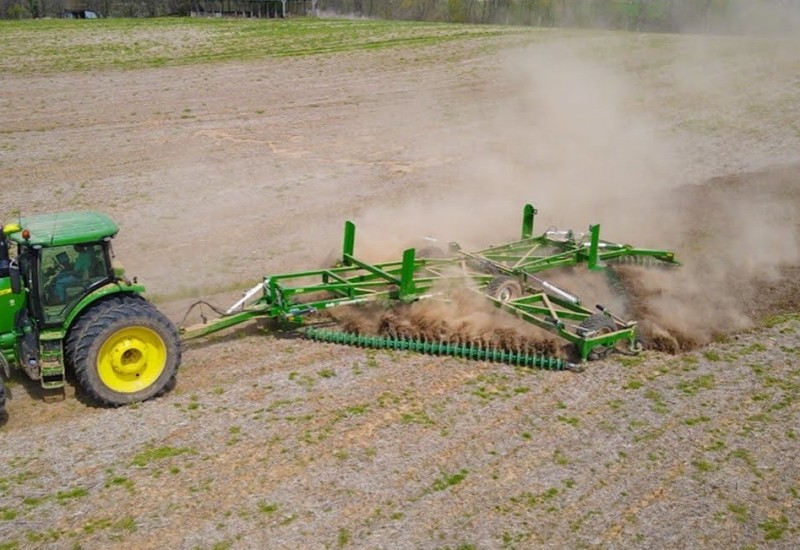
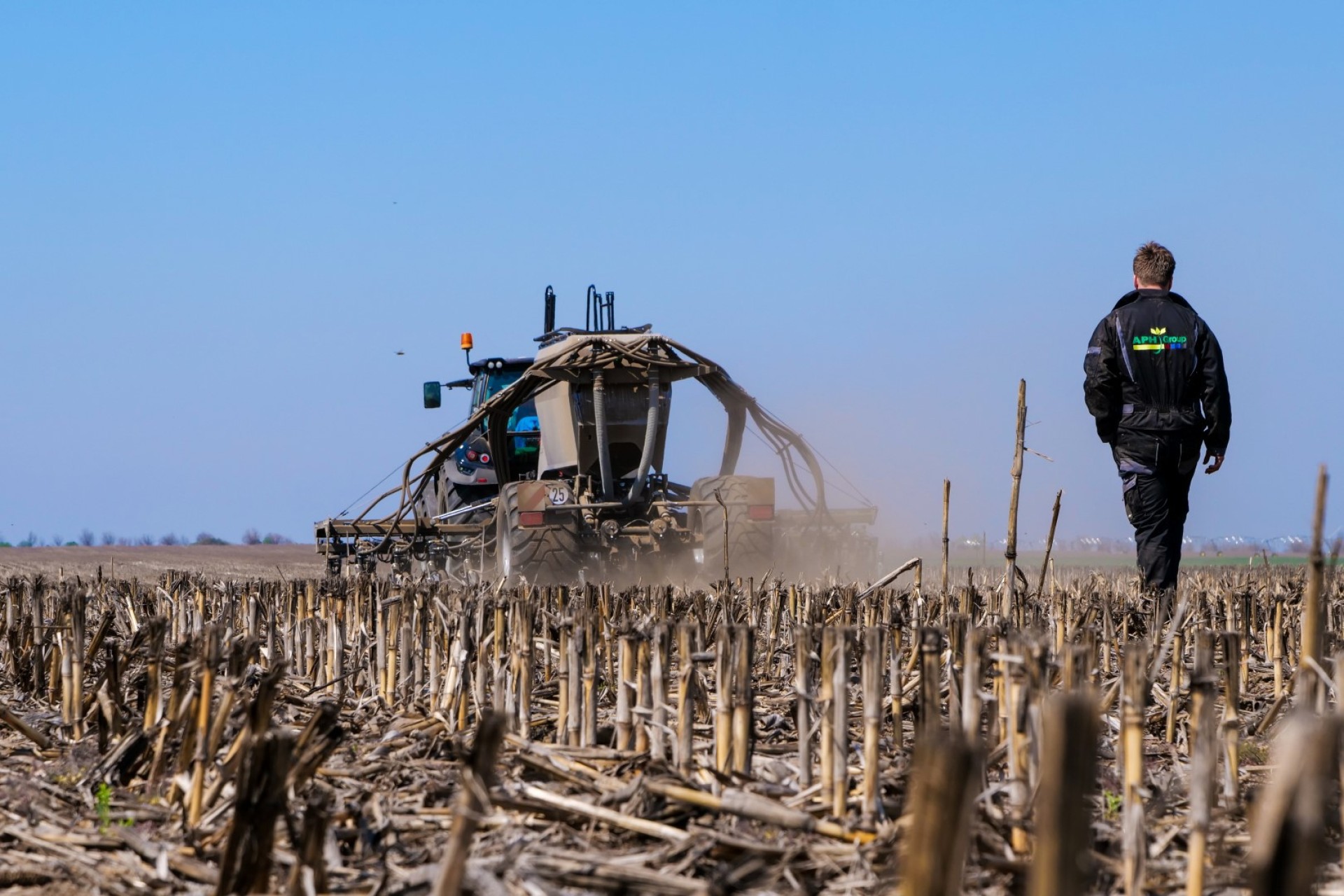
  • Reduce tillage: minimum tillage, no-till, strip-till & one pass planting
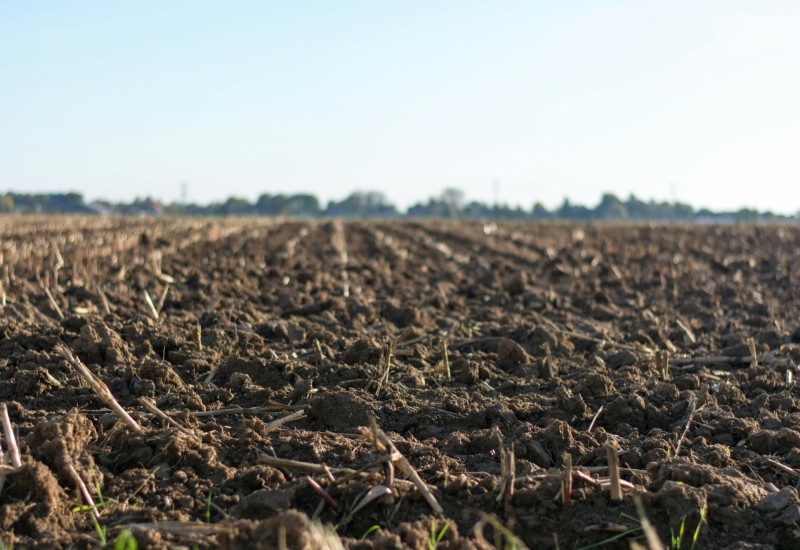
    Tillage methods have a lot of impact on soil structure, water retention capacity, soil life, plant growth, among other things. Changing the tillage methods can therefore contribute to regenerating soil. 
  • Reducing inputs: chemicals, fertilizer & water
    By reducing inputs, the impact on the environment in form of emissions, sweet water availability, soil and plant damage is also reduced. In addition, reducing inputs often goes hand in hand with reducing labour and costs in the long run.
  • Green practises: cover crops, crop rotation, crop residues & landscape elements
    Green practises enable the soil to revive and thrive. Crops each bring a contribution and a subtraction to the soil, which is different for each crop. Growing multiple crops, in a strategic way, over the years therefore has many positive effects on the soil and yields
  • Precision farming 
    Precision farming is added in this list because of the positive influence it can have on reducing input use, improving resource efficiency, and supporting soil and crop health through targeted, data-driven decisions.
  • Soil compaction 
    Soil compaction has can have a lot of effects on the yields, if not taken care of. This is besides the effect it has on overall soil health, structure and water retention to name a few. Luckily, there are options to reduce the effects of heavy machinery on the soil structure.
pexels-jan-kroon-357445-1000057.jpg
Why regenerative agriculture

With half of the soil in the world degraded and 18-36% of the soil compacted in the upper soil layer in Europe makes the soil a suitable starting point which connects to regenerative agriculture. In addition, biodiversity is being reduced in large quantities, which has impact on millions of animals, plants and humans. 80% of emissions coming from over-fertilization could be reduced without threatening food production. Global warming causes climate change and extreme weather which results in less yield and 33% of global emissions is coming from agriculture.

These are all numbers which show why interest in sustainable and regenerative agriculture grows, within the whole food chain. Compared to the broader concept of sustainability, regenerative agriculture puts more emphasis on soil health, biodiversity, and long-term ecological balance. The level of adoption and support still differs across countries and industries, depending on local policies and priorities. However, around the world, there is a growing investment in regenerative agriculture through funding for research, innovation, and subsidies. The European Union also have taken a liking for sustainable agriculture, and they give out subsidies to regenerative practises, mostly via CAP (Common Agricultural Policy). Major food corporations are also increasingly incorporating regenerative principles into their sourcing policies to meet consumer demand for sustainable products.

whatsapp
+31 513 481 101