Optimizing fertilizer use

Reducing inputs

Optimizing fertilizer use isn't just about applying less, it's about applying smarter. Over-fertilization leads to soil degradation, lower crop quality, and unnecessary greenhouse gas emissions. With synthetic fertilizers contributing up to 5% of global emissions, it's clear that change is needed. Through targeted applications, soil analysis, the right equipment, and innovative methods like fertigation and in-furrow fertilizing, farmers can boost efficiency while protecting both soil health and the environment. Small steps in smarter fertilizing lead to big gains, for your yields, your farm, and the future.

In-furrow-fertilizing-and-spraying-Miedema-Structural.jpg
Fertilizer

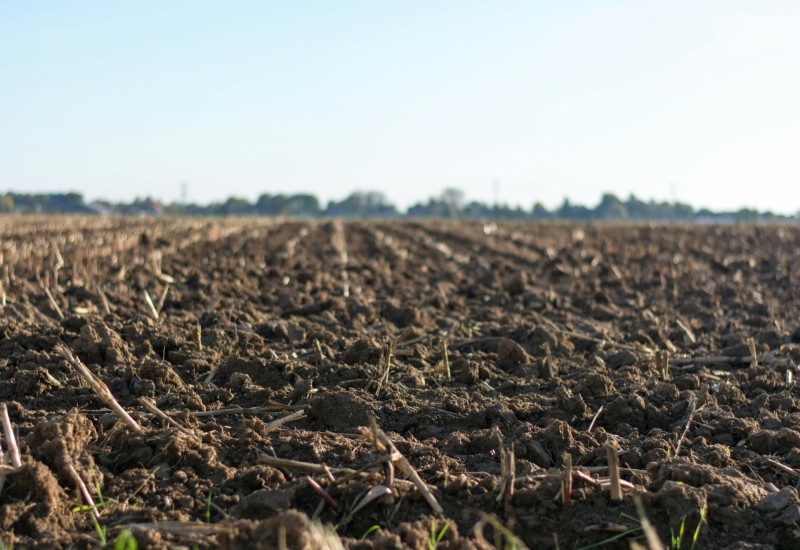
Optimizing fertilizer use often means reducing the amount applied, rather than increasing it. Over-fertilizing causes many negative effects on soil, crops, the environment, and increases greenhouse gas emissions related to fertilizers. This is partly because synthetic fertilizers contain no organic material, which can lead to a decline in soil organic matter. The use of chemical fertilizers also carries the risk of over-fertilization, resulting in unnecessary emissions entering the environment. Additionally, over-fertilization causes nutrient imbalances in the soil, which hinders the growth of crops.

Overall, synthetic fertilizers are estimated to contribute about 5% of all global greenhouse gas emissions. Emissions are mostly released during fertilizer applications, where 66% of the total emissions occur. Significant improvements can be made by adjusting fertilizer application methods. Research indicates that fertilizer-related emissions could be reduced by up to 80% by 2050 without negatively affecting food production. This reduction is also important for phosphate, as current extraction rates could cause shortages after 2050. Different nitrogen fertilizers vary in their emissions. For example, replacing ammonium nitrate with calcium ammonium nitrate can reduce emissions by 20–30%.

CP-42-Smart-Float-LSM-+-Isobus-(6).jpg
The process of over-fertilizing:

Year 1–2:
Excess fertilizer boosts quick crop growth but causes nutrient buildup in soil. Nitrogen leaches into groundwater and runs off into rivers, leading to water pollution and algae blooms that harm aquatic life. Soil microbes start to decline, and crops may become weaker.

Year 3–5:
Soil structure worsens due to salt buildup, reducing fertility and water retention. Nutrient pollution worsens in water bodies, harming ecosystems. Crops face nutrient imbalances in soil, lowering yield and quality.

Year 5 and Beyond:
Long-term soil degradation occurs, with loss of organic matter and soil health. Water pollution causes ecological damage. Crop productivity declines, requiring more inputs and increasing vulnerability.

pexels-jan-kroon-357445-1000057.jpg
How to optimize fertilizing

Soil Type: Soil type greatly influences fertilization strategies. For example, sandy soils are more prone to nutrient leaching compared to clay soils, which hold nutrients better but may have other limitations such as poor drainage.

Soil analysis: Optimal fertilizing dosages depend on the nutrient supply in the soil, soil type, crop and the cultivation goal. A soil analysis can give a lot of insight into the state of the soil and how much nutrients there are. It’s good to remember that the soil is very complex and even a soil analysis cannot show all the good and bad things in the soil. A way to see how much the soil is working is by looking at the carbon/nitrogen ratio, this indicates how much is being turned into nutrients a plant can use.

Other fertilizer: Some farmers use other forms of fertilizers like manure or compost, these contain a lot more organic matter, diverse microbes and nutrients which contribute to a healthy and balanced soil. Solid manure has a stronger positive effect on soil organic matter and biodiversity than liquid manure, making it well-suited for regenerative farming. However, large farms may find it hard to apply solid manure at scale, so liquid manure can be a practical alternative. Both types contain phosphate, which is often lacking in European soils.

Timing: Each crop has different fertilization needs depending on its growth stage. Nutrient requirements can vary greatly between germination, vegetative growth and maturation phases.

Variety: Even within the same crop species, different varieties may require varying amounts and types of fertilizer. This specific information is often available from the seed or plant breeder.

Weather Conditions: The effectiveness and availability of synthetic fertilizers depend heavily on weather. Fertilizers are released easier under moist conditions, which affects nutrient uptake and the risk of nutrient loss through leaching or runoff.

Slowly but steady: Rapid reductions in fertilizer use carry potential risks for yield and productivity. That’s why gradual changes and multi-year field trials are generally recommended to ensure reliable outcomes. These long-term tests help assess how less fertilizer affects crops, soil, and yields. Monitoring over several seasons provides reliable data, allowing informed decisions that reduce risks and improve both economic and environmental outcomes. This careful approach builds trust in sustainable fertilization and supports better nutrient management.
20231016---APH-Group---Valley---Pivot-Point_160207_0122_LHK2.jpg
Pivot with fertigation

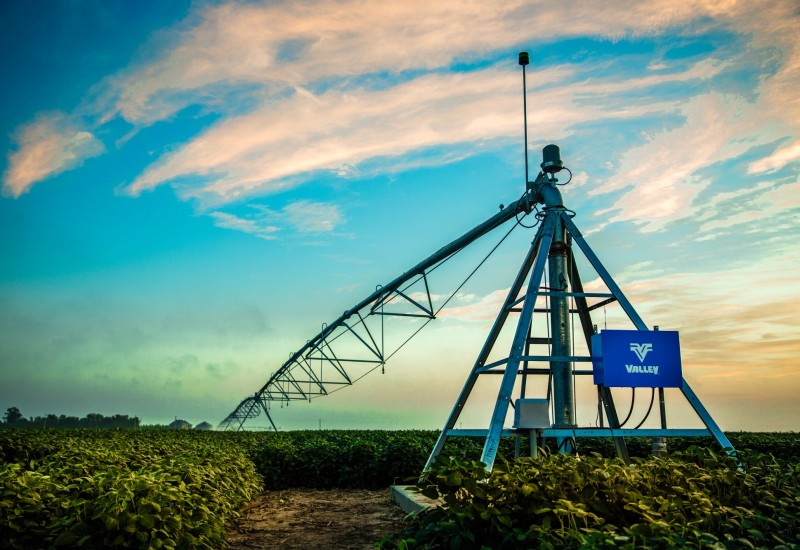
Valley offers a lot of solutions which are compatible with liquid fertilizers, also called fertigation. Fertigation has many advantages; precise micro dosing tailored to the needs of plants reduces fertilizer loss from leaching or runoff. it can be and the plants can immediately absorb the nutrients through the wet soil. There is also no need to have extra fertilizer equipment and tractor passes which save money, time and fuel. This results in less environmental impact through less inputs and less emissions. 

In-furrow-fertilizing-and-spraying-Miedema-Structural.jpg
In furrow fertilizing

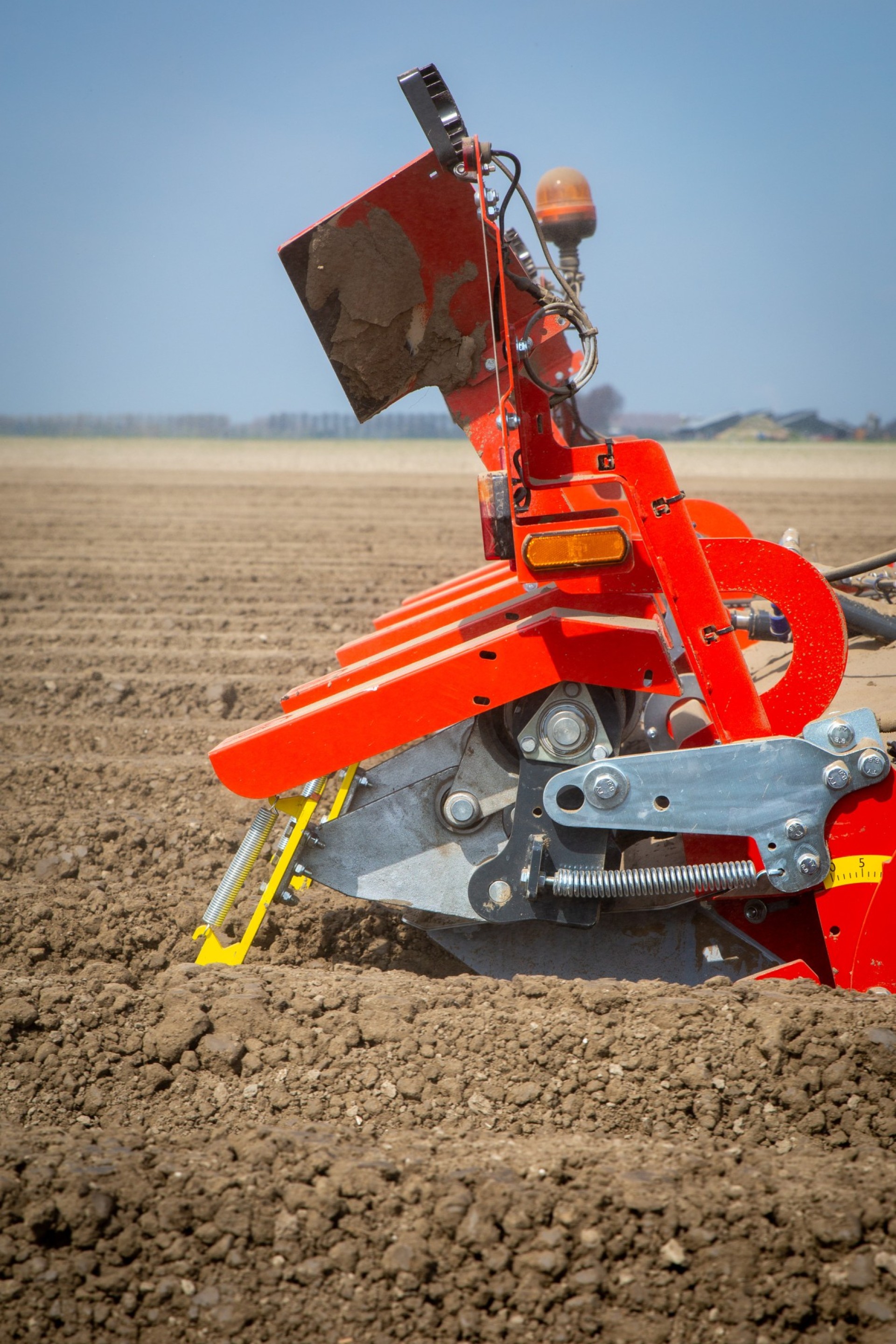
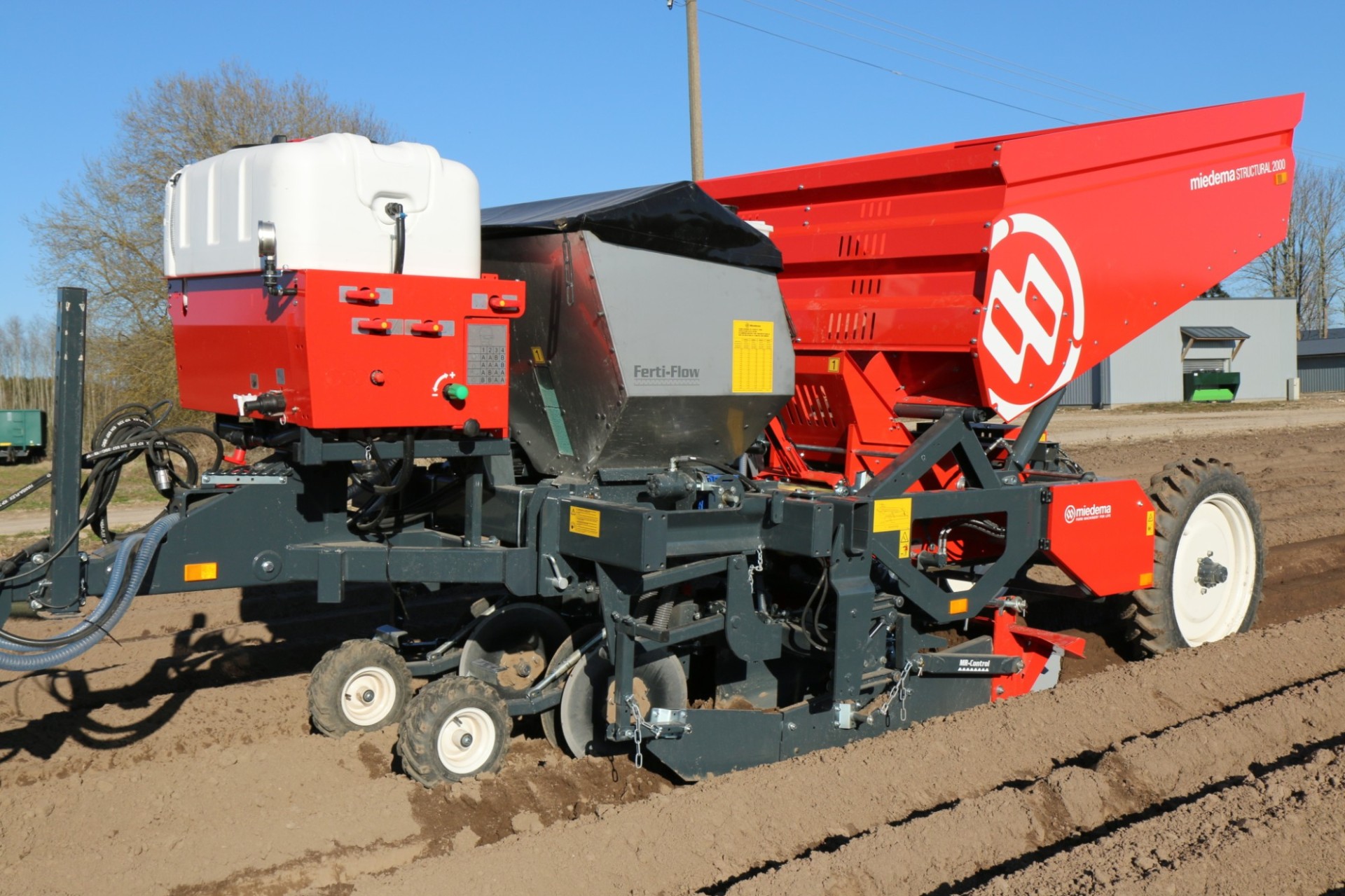
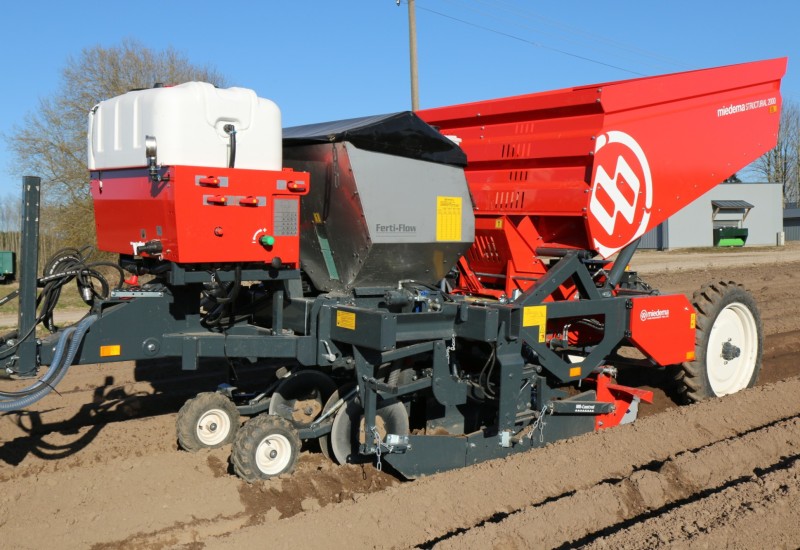
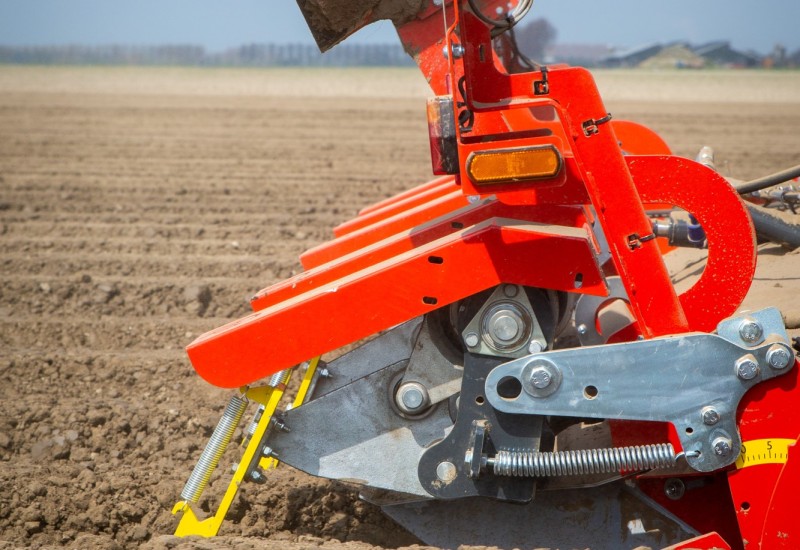
In-furrow irrigation, where water and nutrients are applied directly into the planting furrow, offers many benefits but also comes with specific considerations. In-furrow application delivers water and fertilizer precisely to the root zone. This can significantly improve early plant development and nutrient uptake efficiency, especially for soil born nutrients like phosphorus. This method reduces surface runoff and evaporation losses, making it more water-efficient than broadcast applications. It can also lower fertilizer use by 15% and enhance yields, particularly in row crops like onions and potatoes. If the fertilization is applied in one pass with the sowing/plant machine, emissions can be reduced.

In-furrow irrigation is most effective under certain conditions: wide plant spacing, low root density, sandy or well-drained soils, bas soil structure and low soil fertility. It requires specialized equipment and precise calibration to avoid over-concentration of nutrients, which can damage young roots. Additionally, a large part of the nutrients that the plant absorbs do not come from fertilization, but from mineralization in the soil. Full-field fertilization can actively mineralize nutrients in the entire field, which results in more nutrients for plants.  

A lot of our dealers have sowing and planting machines with the option to use liquid or granulate fertilizer. These machines can help make processes more efficient and environmentally friendly. Our partners who offer in-furrow fertilizing:

  • Dewulf: potato planting
  • Horizon: sowing for vegetables and grain
  • Agricola Italiana: sowing for vegetables and grain
  • Harvest International: sowing for corn and grain
  • Precision Planting: FurrowJet
Erosion-stop-Miedema.jpg
Water efficiency

Water management is one of the most critical aspects of crop production, especially under increasingly unpredictable climate conditions. Irrigation timing and amount play a central role in root development, plant health, and long-term yield stability. With our irrigation solutions, Valley center pivots and linear systems, the water is applied with a very low pressure that saves energy but also enables efficient water take-up by the crop. These systems save a lot of water compared to furrow irrigation systems and regular pivot systems. The designs made by the engineers of APH Group, realize the best solutions for applying the right amount of water at minimum impact in the environment.

Studies show that regulated deficit irrigation, where water is applied sparingly and strategically, can reduce water use by up to 30–50% in some crops without yield loss. One of the most common mistakes in modern agriculture is over-irrigating in the early stages of plant growth. While it may seem like a safe way to support early development, this practice can actually have negative consequences for both the root zone and overall crop performance. A shallow root zone is more prone to fungal issues, vulnerable to drought, temperature fluctuations, and nutrient deficiencies.

Precision irrigation 
AgSense 365 by Valley is a smart irrigation tool that helps farmers save water through real-time monitoring and remote control. With a phone or computer, irrigation can be adjusted anytime, avoiding overwatering and improving timing based on field needs. The system gives a clear overview of all pivots, even from different brands, making it easy to manage water use across the farm from one dashboard. By applying water more precisely and only when needed, AgSense 365 supports deeper root growth, healthier crops, and better water efficiency. It also reduces labor, saves time, and fits well within regenerative farming practices.


Erosion stopper 
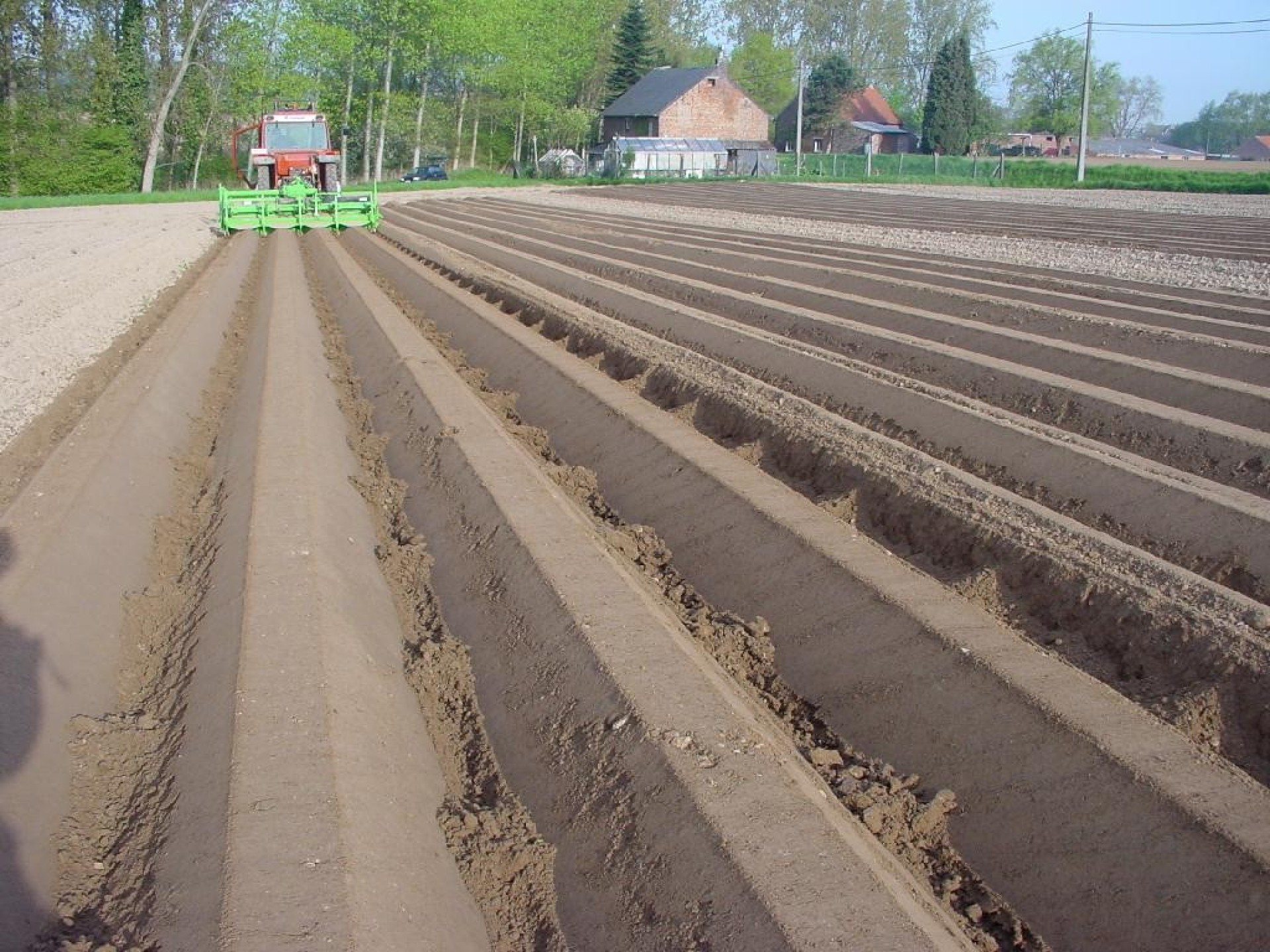
Dewulf and Baselier have potato planters with an optional erosion stopper. Erosion stopper creates micro-ridges or barriers behind the planter that slow down water and soil runoff. Especially on hilly or sloped terrain, where erosion can quickly damage newly planted ridges. It also improves water infiltration, preserves topsoil, boosts yield potential and prevents nutrient loss.

whatsapp
+31 513 481 101